John A. Johnson: An Uncommon AmericanMain MenuIntroductionEarly DaysSettlement in WisconsinEntrance Into PoliticsCivil WarBusiness EndeavorsFuller and Johnson CompanyGisholt Machine CompanyThe Public SchoolKristina Warnerc8c3eeb8fc534b4204fc4ece92574ef9ee4ab6bd
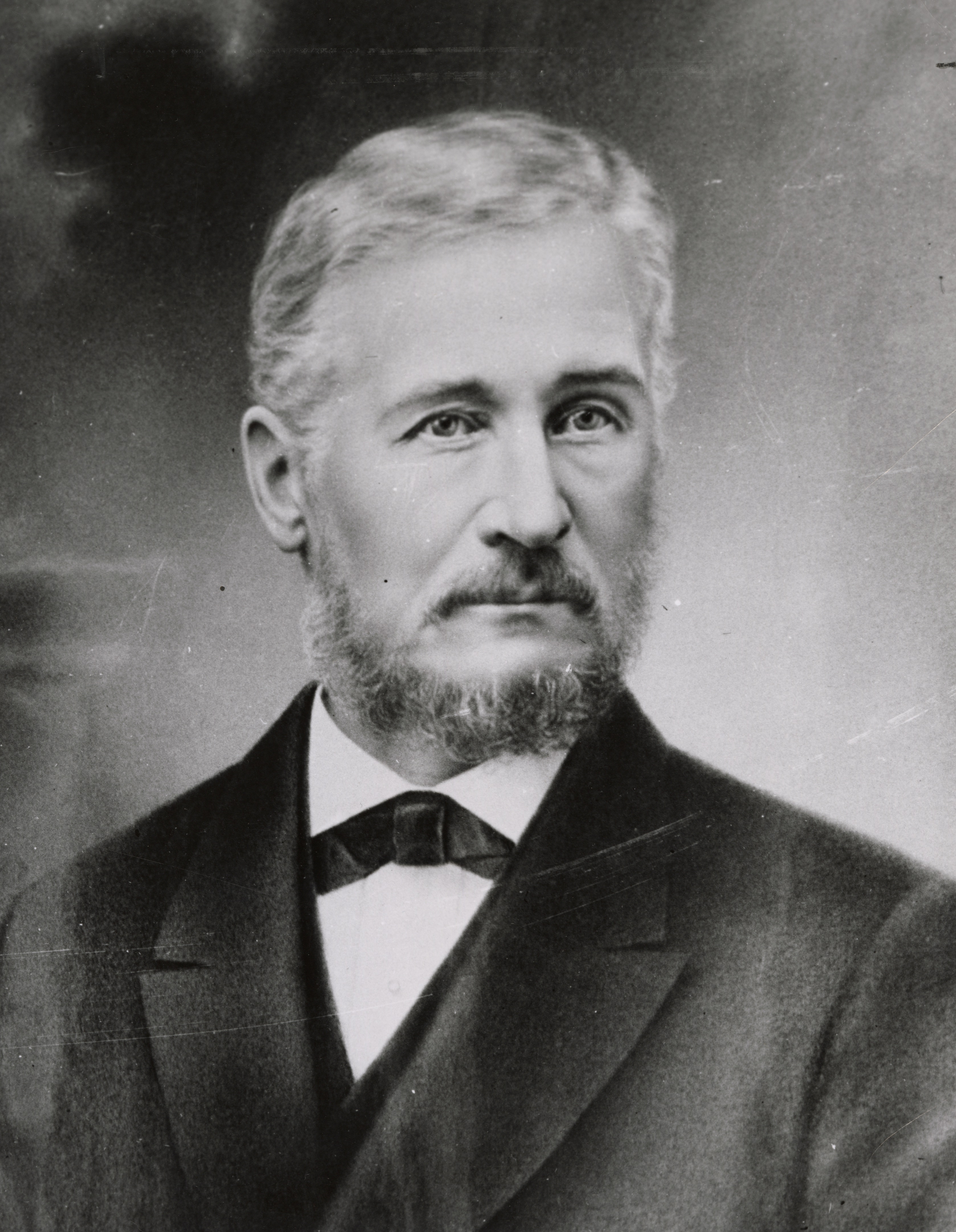
1media/p0691_00064.jpg2024-03-18T17:23:52+00:00Entrance Into Politics22plain2024-10-18T21:15:08+00:00Wisconsin adopted a liberal constitution in 1848 that allowed foreign-born white men to become voters upon taking an oath of allegiance. Once John received his right to vote, he was elected to be the town clerk of Pleasant Springs at the age of 22. He eventually held positions as accessor, justice of the peace, and supervisor of the township. Later, he became chairman of the town board – a position that officially made him ex officio for the Dane County Board.
On November 19, 1856, Johnson became a citizen of the United States. His two neighbors, Gunner T. Mandt and Lars Knudson, testified to his character. Throughout the 1800s to the early 1900s, the path to citizenship was a simple two-step process. Step one was “Declaration of Intention,” done by going to a local courthouse and declaring that it was their intent to become a citizen of the United States. This step included a sworn statement in front of a judge, signing a document, and renouncing allegiance to their former country. The second step was to “Petition for Naturalization.” After five years, they could return to the courthouse with two witnesses who could swear that they’ve been a good US citizen. They would then take an oath in front of a judge, and officially become citizens.
Becoming Part of Wisconsin Politics
Johnson's rise into politics didn’t stop with the county board, he slowly worked his way up. He showed abhorrence to the evil of slavery which drove him to be interested in Free Soilers and Republicans. Johnson entered Republican politics in the November election of 1856. Johnson defeated his Democrat opponent, James Allen, by a vote of 744 to 335 to become a member of the Wisconsin State Assembly. Of all legislation debated by the assembly in 1857, none was more important to Johnson than the proposal to extend suffrage. He proposed that the right to vote be granted to all persons under twenty-one without reference to sex, color, or birth. The assembly favored the bill but failed in the state senate.
After his term in the state legislature, he returned to Koshkonong, but the stay was short-lived. In September 1860, he was nominated by the Republican Party of Dane County to be the Clerk of the County Board of Supervisors. Emigranten, a Norwegian language newspaper, backed his candidacy against Hans Borchsenius – his democratic opponent and printer from Denmark who had been editor and publisher of Nordstjernen. Hans C. Heg, his friend and Prison Commissioner of Wisconsin, lent his energy to Johnson’s campaign. Johnson won 4,769 to 4,208.
During the November 1872 election, Johnson was elected to represent the Seventh District which included the city of Madison. His career in politics officially ended with the close of the 1874 session. Others tried to keep Johnson in politics, including encouraging him to run as Vice Governor, but he declined. He stepped away from politics but later did accept appointed offices within the State of Wisconsin.