
Browse Items (6658 total)
-
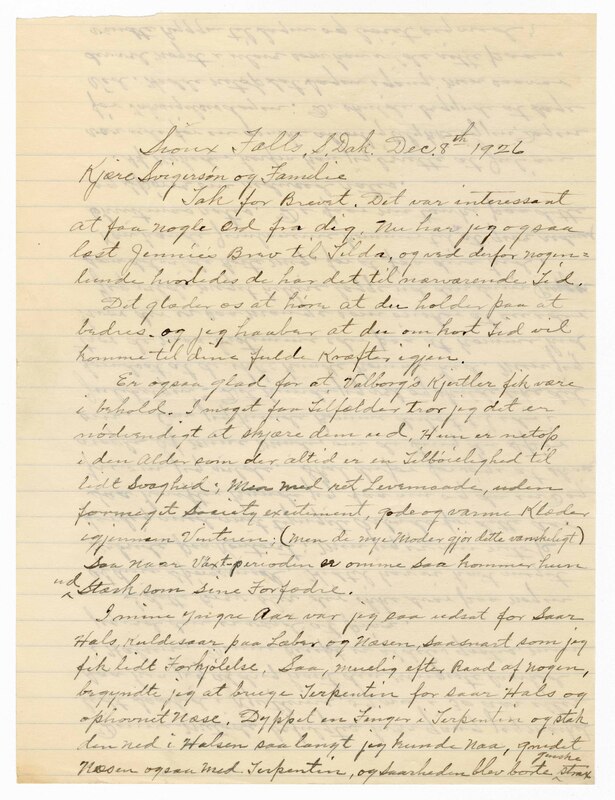
Letter from Andrew Berdahl to the Ole Rølvaag family, 1926 December 8
Funding to digitize the O.E. Rølvaag Papers was provided to the Norwegian American Historical Association through the Minnesota Arts and Cultural Heritage Fund, a component of the Minnesota Clean Water, Land and Legacy constitutional amendment, ratified by Minnesota voters in 2008. -
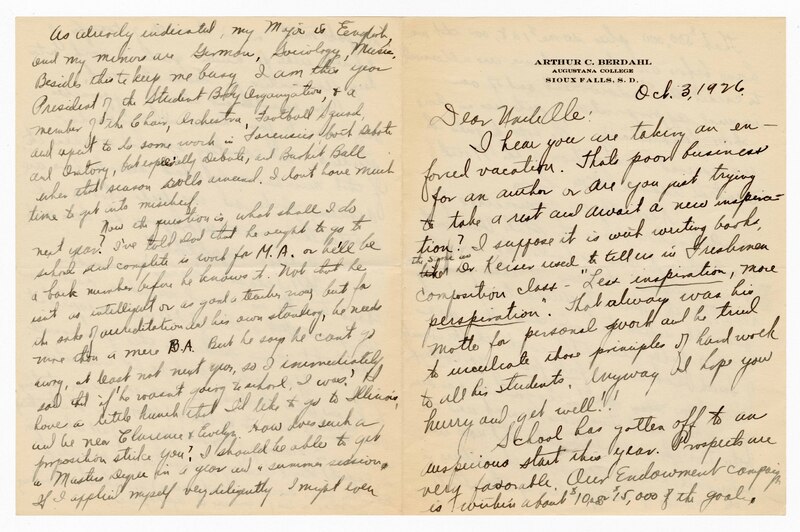
Letter from Arthur Berdahl to Ole Rølvaag, 1926 October 3
Funding to digitize the O.E. Rølvaag Papers was provided to the Norwegian American Historical Association through the Minnesota Arts and Cultural Heritage Fund, a component of the Minnesota Clean Water, Land and Legacy constitutional amendment, ratified by Minnesota voters in 2008. -
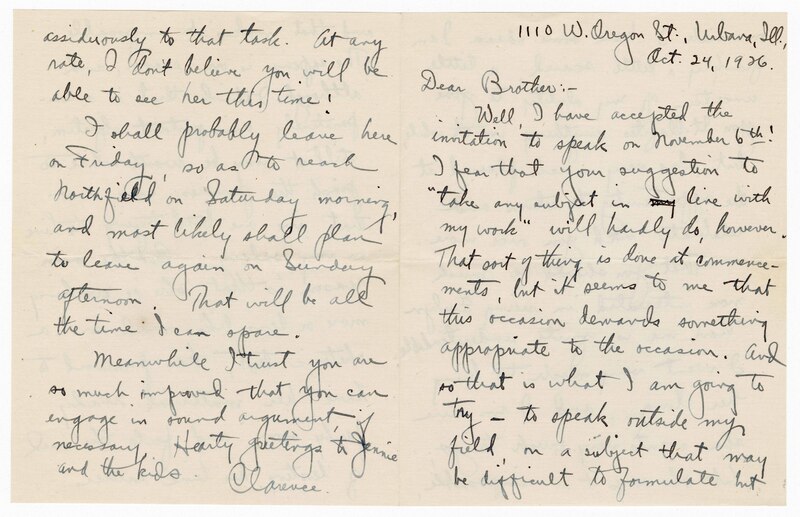
Letter from Clarence Berdahl to Ole Rølvaag, 1926 October 24
Clarence Berdahl was born on June 12, 1890, in Baltic, South Dakota. He started teaching at the University of Illinois in 1920, where he served as chairman of the Department of Political Science from 1935 to 1939. In 1961 he became chairman of the Division of Social Science and Professor Emeritus. Clarence Berdahl was a member of numerous professional organizations in the fields of political science and history, and wrote several books. -
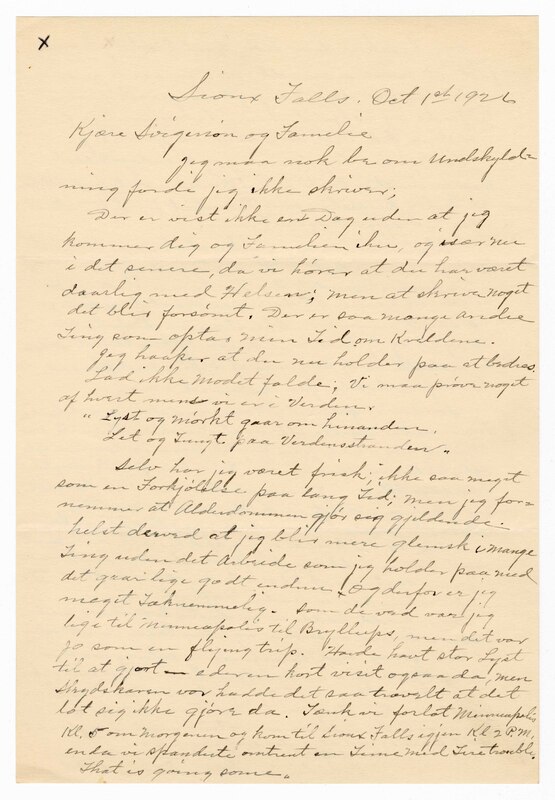
Letter from Andrew Berdahl to the Ole Rølvaag family, 1926 October 1
Funding to digitize the O.E. Rølvaag Papers was provided to the Norwegian American Historical Association through the Minnesota Arts and Cultural Heritage Fund, a component of the Minnesota Clean Water, Land and Legacy constitutional amendment, ratified by Minnesota voters in 2008. -
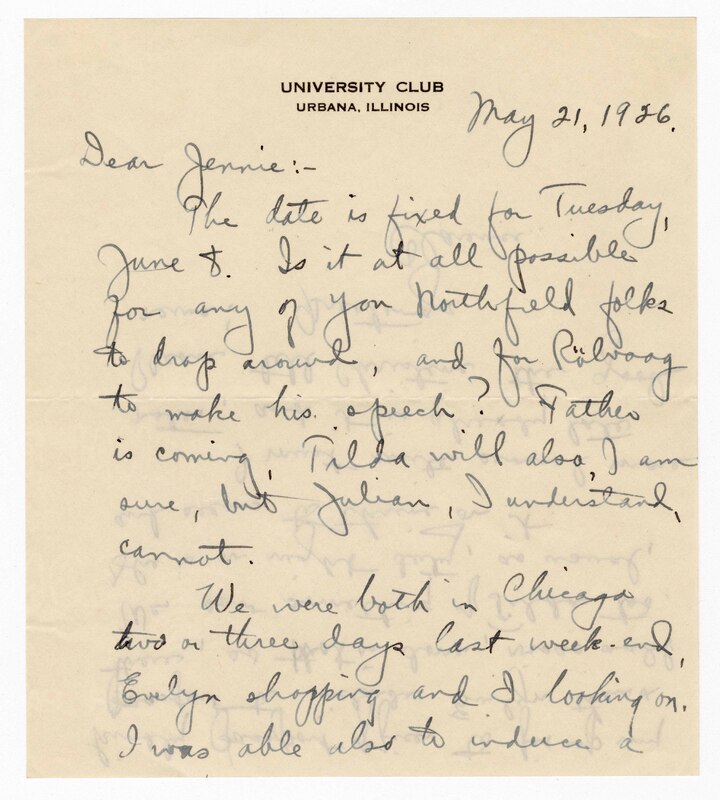
Letter from Clarence Berdahl to Jennie Rølvaag, 1926 May 21
Clarence Berdahl was born on June 12, 1890, in Baltic, South Dakota. He started teaching at the University of Illinois in 1920, where he served as chairman of the Department of Political Science from 1935 to 1939. In 1961 he became chairman of the Division of Social Science and Professor Emeritus. Clarence Berdahl was a member of numerous professional organizations in the fields of political science and history, and wrote several books. -
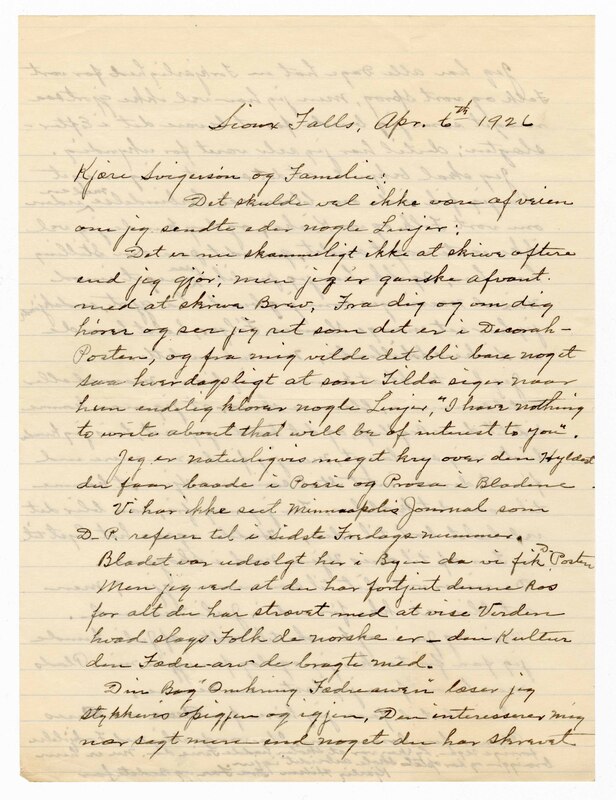
Letter from Andrew Berdahl to Jennie Rølvaag and family, 1926 April 6
Funding to digitize the O.E. Rølvaag Papers was provided to the Norwegian American Historical Association through the Minnesota Arts and Cultural Heritage Fund, a component of the Minnesota Clean Water, Land and Legacy constitutional amendment, ratified by Minnesota voters in 2008. -
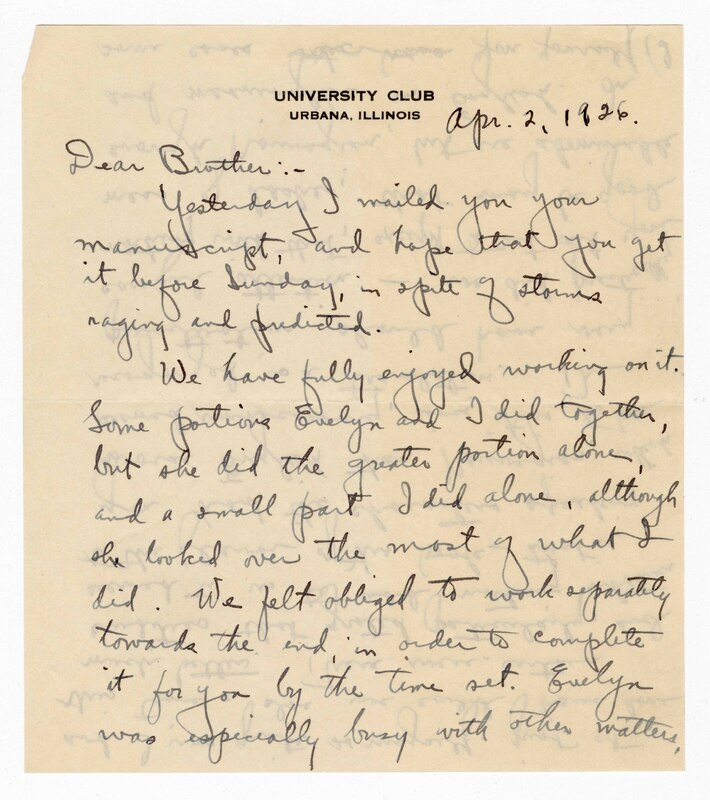
Letter from Clarence Berdahl to Ole Rølvaag, 1926 April 2
Clarence Berdahl was born on June 12, 1890, in Baltic, South Dakota. He started teaching at the University of Illinois in 1920, where he served as chairman of the Department of Political Science from 1935 to 1939. In 1961 he became chairman of the Division of Social Science and Professor Emeritus. Clarence Berdahl was a member of numerous professional organizations in the fields of political science and history, and wrote several books. -
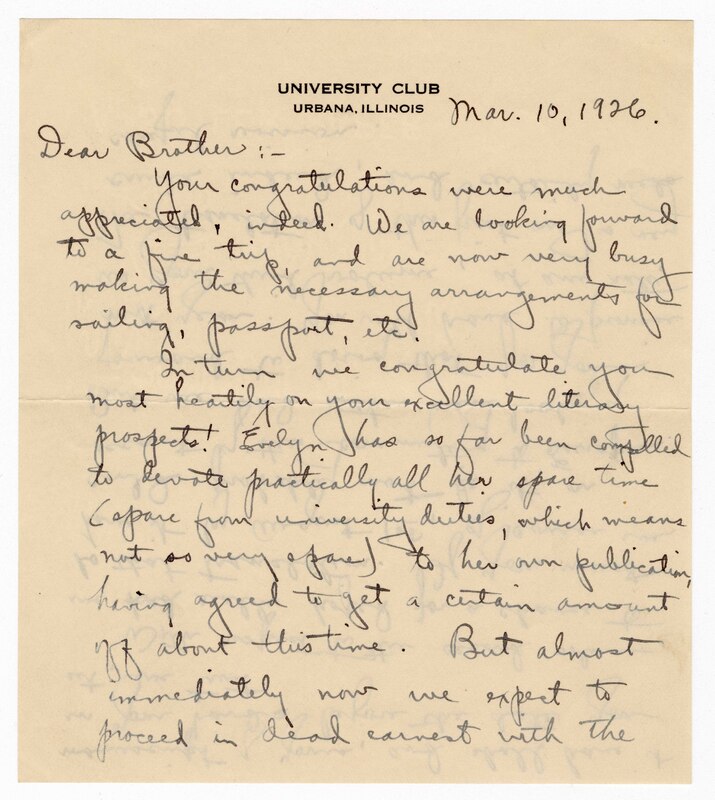
Letter from Clarence Berdahl to Ole Rølvaag, 1926 April 2
Clarence Berdahl was born on June 12, 1890, in Baltic, South Dakota. He started teaching at the University of Illinois in 1920, where he served as chairman of the Department of Political Science from 1935 to 1939. In 1961 he became chairman of the Division of Social Science and Professor Emeritus. Clarence Berdahl was a member of numerous professional organizations in the fields of political science and history, and wrote several books. -
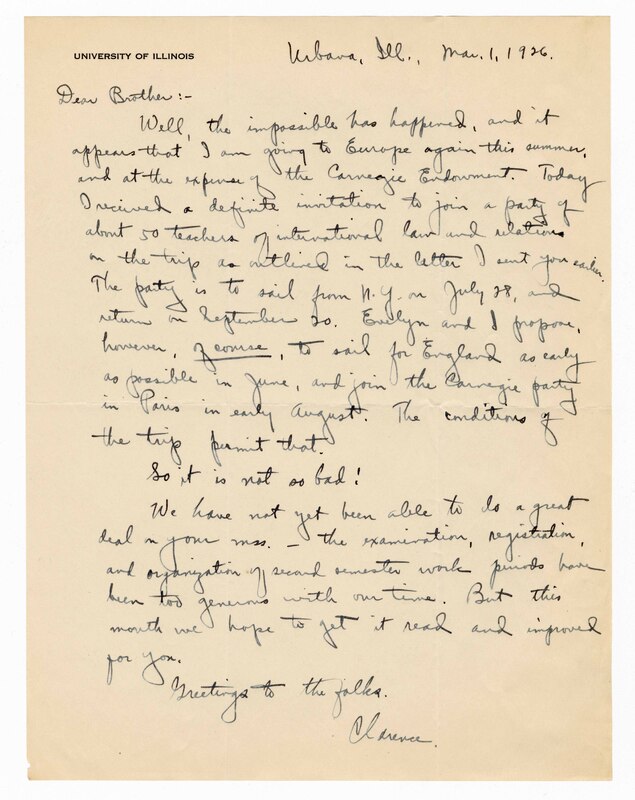
Letter from Clarence Berdahl to Ole Rølvaag, 1926 May 1
Clarence Berdahl was born on June 12, 1890, in Baltic, South Dakota. He started teaching at the University of Illinois in 1920, where he served as chairman of the Department of Political Science from 1935 to 1939. In 1961 he became chairman of the Division of Social Science and Professor Emeritus. Clarence Berdahl was a member of numerous professional organizations in the fields of political science and history, and wrote several books. -
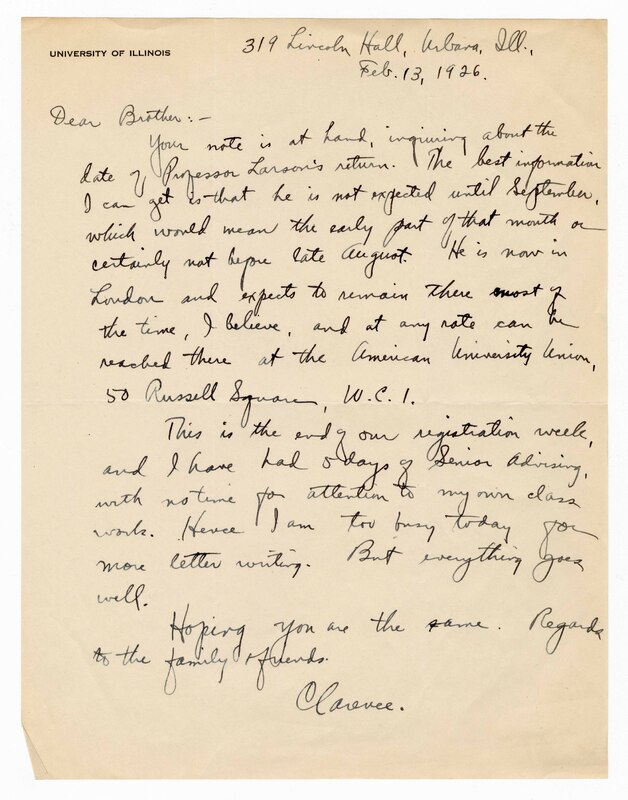
Letter from Clarence Berdahl to Ole Rølvaag, 1926 February 13
Clarence Berdahl was born on June 12, 1890, in Baltic, South Dakota. He started teaching at the University of Illinois in 1920, where he served as chairman of the Department of Political Science from 1935 to 1939. In 1961 he became chairman of the Division of Social Science and Professor Emeritus. Clarence Berdahl was a member of numerous professional organizations in the fields of political science and history, and wrote several books. -
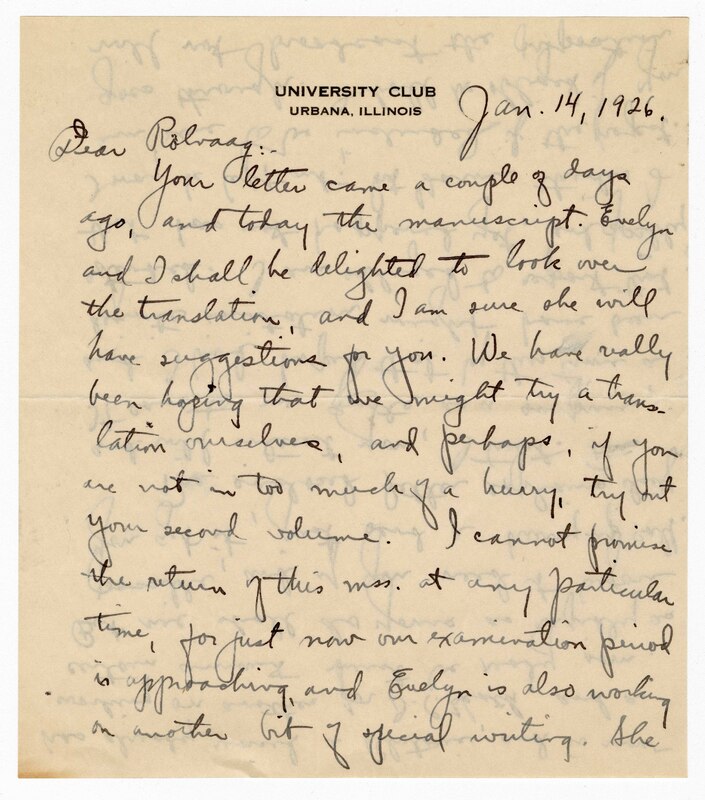
Letter from Andrew Berdahl to Ole Rølvaag, 1926 January 14
Funding to digitize the O.E. Rølvaag Papers was provided to the Norwegian American Historical Association through the Minnesota Arts and Cultural Heritage Fund, a component of the Minnesota Clean Water, Land and Legacy constitutional amendment, ratified by Minnesota voters in 2008. -
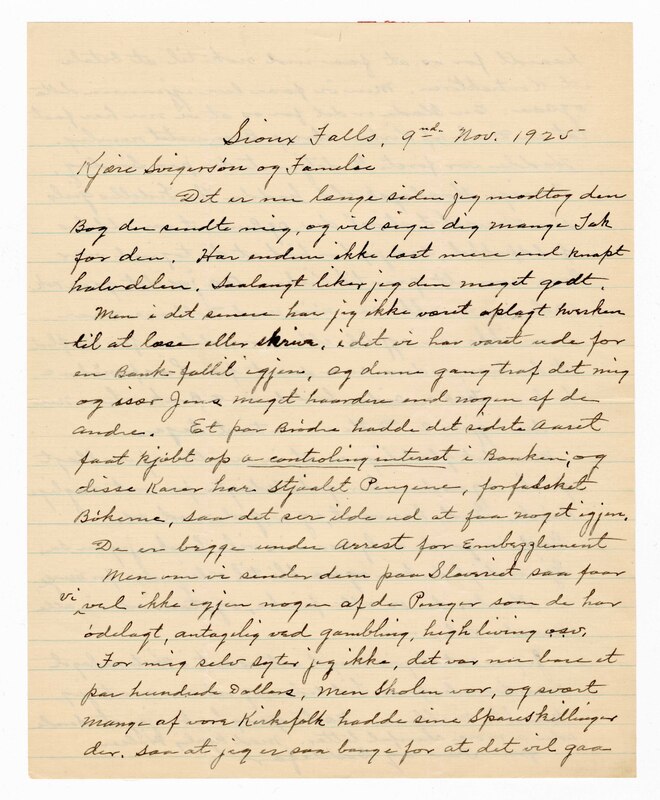
Letter from Andrew Berdahl to Jennie Rølvaag and family, 1925 November 9
Funding to digitize the O.E. Rølvaag Papers was provided to the Norwegian American Historical Association through the Minnesota Arts and Cultural Heritage Fund, a component of the Minnesota Clean Water, Land and Legacy constitutional amendment, ratified by Minnesota voters in 2008. -
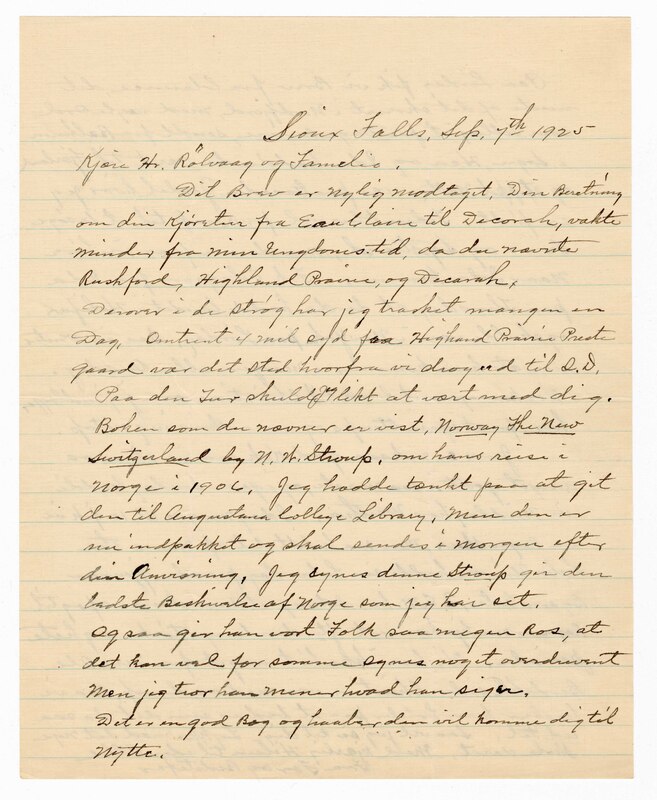
Letter from Andrew Berdahl to the Ole Rølvaag family, 1925 September 7
Funding to digitize the O.E. Rølvaag Papers was provided to the Norwegian American Historical Association through the Minnesota Arts and Cultural Heritage Fund, a component of the Minnesota Clean Water, Land and Legacy constitutional amendment, ratified by Minnesota voters in 2008. -
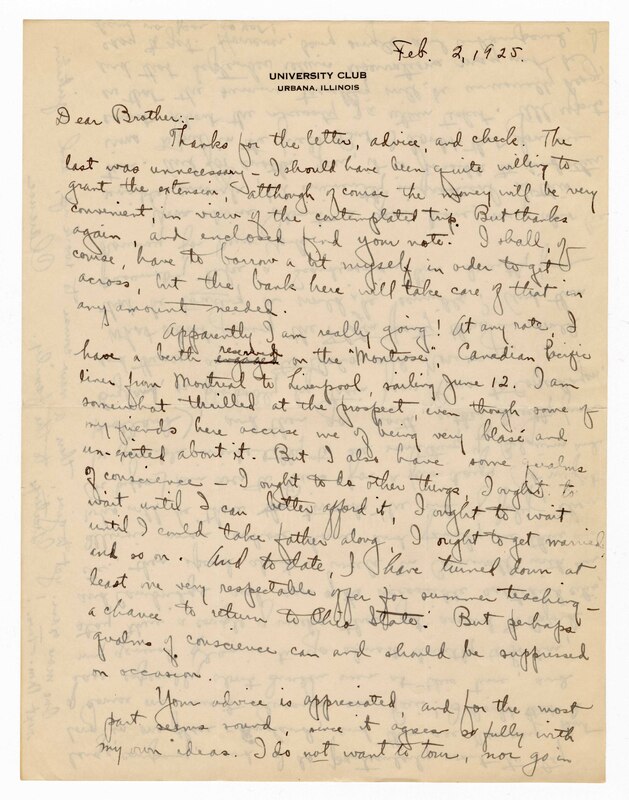
Letter from Clarence Berdahl to Ole Rølvaag, 1925 February 2
Clarence Berdahl was born on June 12, 1890, in Baltic, South Dakota. He started teaching at the University of Illinois in 1920, where he served as chairman of the Department of Political Science from 1935 to 1939. In 1961 he became chairman of the Division of Social Science and Professor Emeritus. Clarence Berdahl was a member of numerous professional organizations in the fields of political science and history, and wrote several books. -
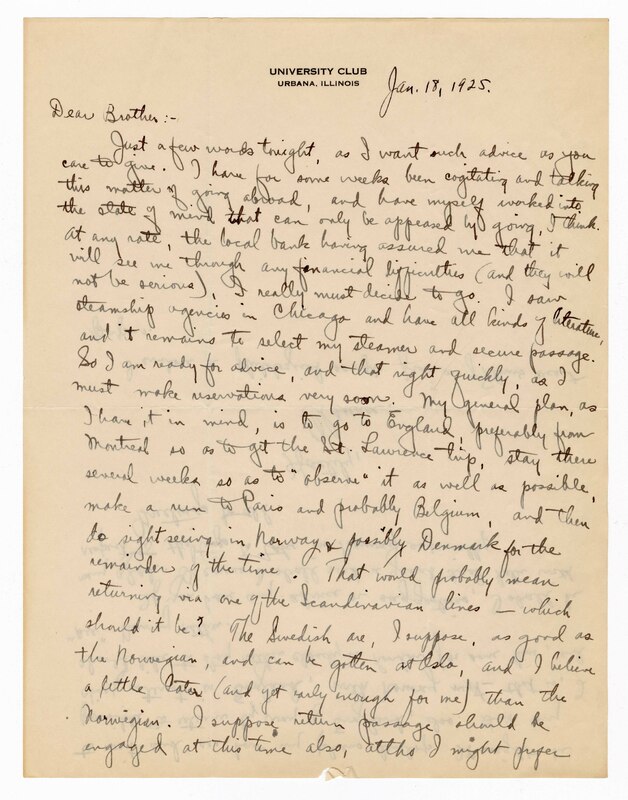
Letter from Clarence Berdahl to Ole Rølvaag, 1925 January 18
Clarence Berdahl was born on June 12, 1890, in Baltic, South Dakota. He started teaching at the University of Illinois in 1920, where he served as chairman of the Department of Political Science from 1935 to 1939. In 1961 he became chairman of the Division of Social Science and Professor Emeritus. Clarence Berdahl was a member of numerous professional organizations in the fields of political science and history, and wrote several books. -
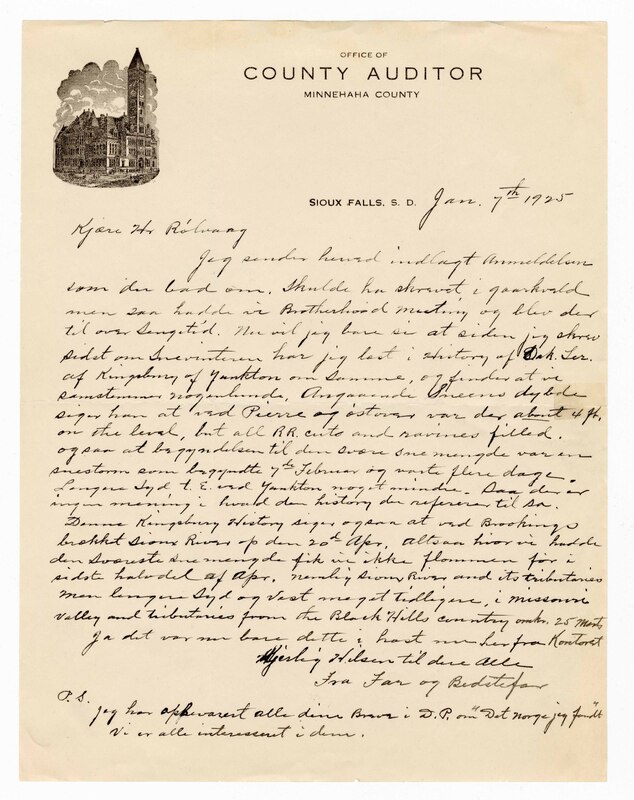
Letter from Andrew Berdahl to Ole Rølvaag, 1925 January 7
Funding to digitize the O.E. Rølvaag Papers was provided to the Norwegian American Historical Association through the Minnesota Arts and Cultural Heritage Fund, a component of the Minnesota Clean Water, Land and Legacy constitutional amendment, ratified by Minnesota voters in 2008. -
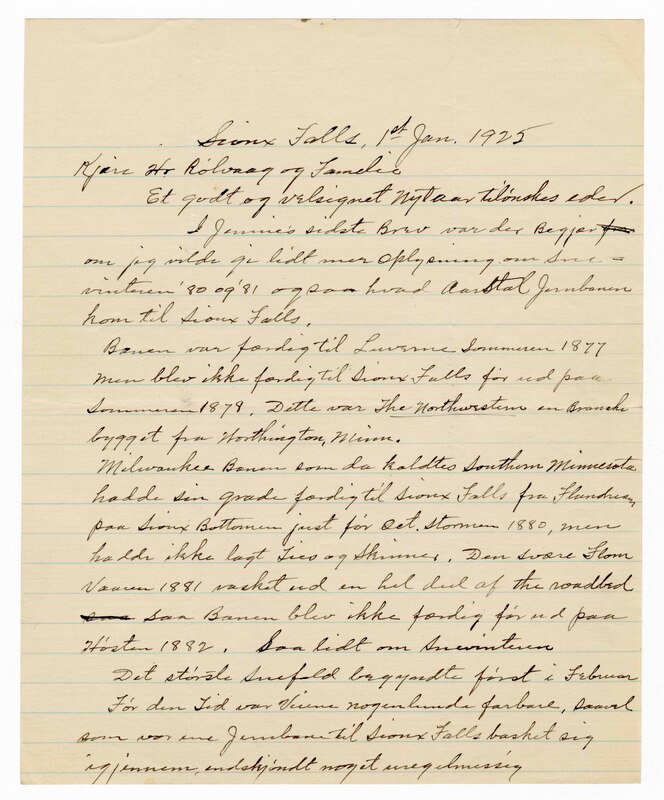
Letter from Andrew Berdahl to the Ole Rølvaag family, 1925 January 1
Translation:Sioux Falls, 1st Jan. 1925
Dear Mr. Rølvaag and family,
A good and blessed New Year is wished to you.
In Jennie’s last letter there was a desire for me to give a little more information about the snowy winter in ‘80 and ‘81, also what year the railroad came to Sioux Falls.
The railway was finished for Luverne in the summer of 1877, but was not finished for Sioux Falls before all the way until the summer of 1878. This was The Northwestern, a branch built from Worthington, Minn.
The Milwaukee railway, which was then called Southern Minnesota, had its grade done to Sioux Falls from Flandreau on the Sioux Bottom just before the Oct. storm of 1880, but had not lain ties or rails. The terrible flood in the spring of 1881 washed out an entire portion of the roadbed so that the railway was not finished before all the way until the fall of 1882. So a little about the snowy winter.
The biggest snowfall began first in February. Before that time the roads were somewhat passable, as long as our one train to Sioux Falls struggled through, though very irregularly.
But from that time, around Feb. 7th, and further into April, the railway was blocked; for most of this time the primary railway from St. Paul and Sioux City as well. In the month of February we went nowhere, except for the neighbors in between and on the way to the schoolhouse.
Right in the month of March, we trod on the road, from neighbor to neighbor, from Highland 8-9 miles northeast from us to Sioux Falls. Strangely enough, this road remained passable for most of the time afterwards.
Not much in Sioux Falls, because when it led out in March, the merchants there did not have any more of what the people needed most, namely flour.
Most people had prepared themselves then enough for the entire winter. Those who did not had to grind wheat on their coffee grinder, sugar and coffee we could live without. In the city where people used coal for fire fuel, the supply ran out early in the winter, and then they had to resort to the lumber yard, and when the spring came all of the raw materials were used up, and the lumber that remained sailed away in the flood. At our place in the countryside we strove to dig up the height of the snow drifts; both what we used for fire fuel and that which the cattle were meant to have. I do not remember whether we got some news, like a newspaper or letters, during the three months of Feb., March, and Apr.
The last and almost worst snow storm we had was on the 4th of April. It was like a blizzard, otherwise we had no terrible wind storms that winter, but just enough to fill the small valleys and to pile up around the houses. We did not have any strong cold either. It was often rather mild when it snowed, at its best. I do not remember what time Easter came that year, but I think it was the middle of Apr. Either way I remember that it was Easter week when the mass of snow began to disintegrate into water. 4 to 6 feet of snow on even ground and up to 20 feet over the small valleys and dugouts, so there was water, you can believe, because it changed to warm weather all at once during Easter weekend. The entire Sioux Bottom was an ocean from bluff to bluff. Haystacks, small houses, and now and again livestock, could one see sailing away.
We did not come out to the field to do the spring work until May.
I cannot think of anything else that would be of interest to you. I am so glad that your book is receiving such a valid reception, it deserves it.
With best wishes for you and yours in the coming years.
Your father and grandfather,
Anders J. Berdahl
-
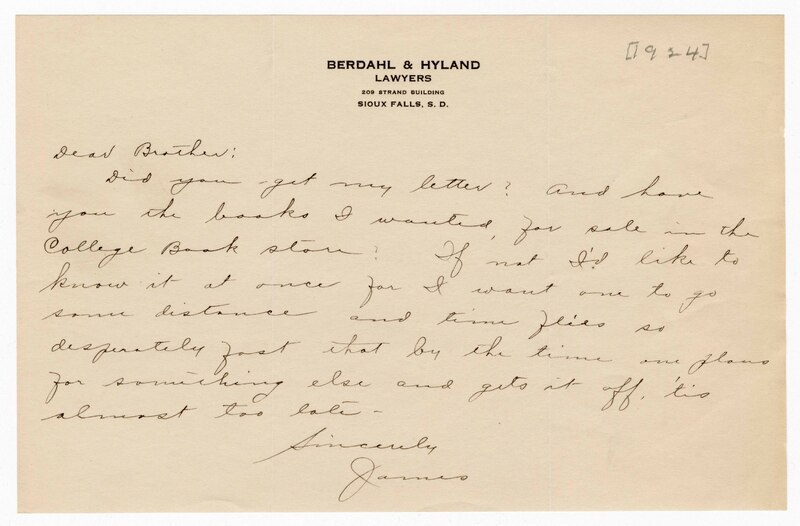
Letter from James O. Berdahl to Ole Rølvaag, circa 1924
Funding to digitize the O.E. Rølvaag Papers was provided to the Norwegian American Historical Association through the Minnesota Arts and Cultural Heritage Fund, a component of the Minnesota Clean Water, Land and Legacy constitutional amendment, ratified by Minnesota voters in 2008. -
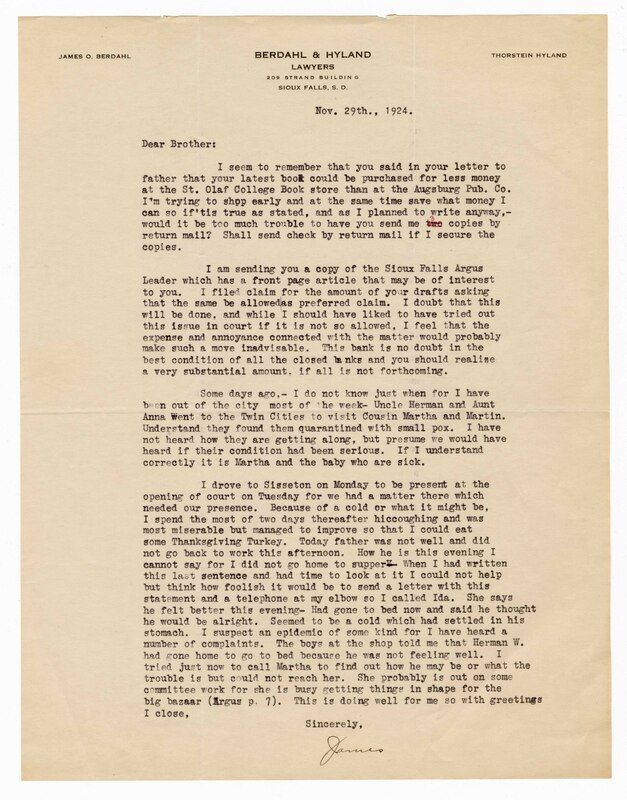
Letter from James O. Berdahl to Ole Rølvaag, 1924 November 29
Funding to digitize the O.E. Rølvaag Papers was provided to the Norwegian American Historical Association through the Minnesota Arts and Cultural Heritage Fund, a component of the Minnesota Clean Water, Land and Legacy constitutional amendment, ratified by Minnesota voters in 2008. -
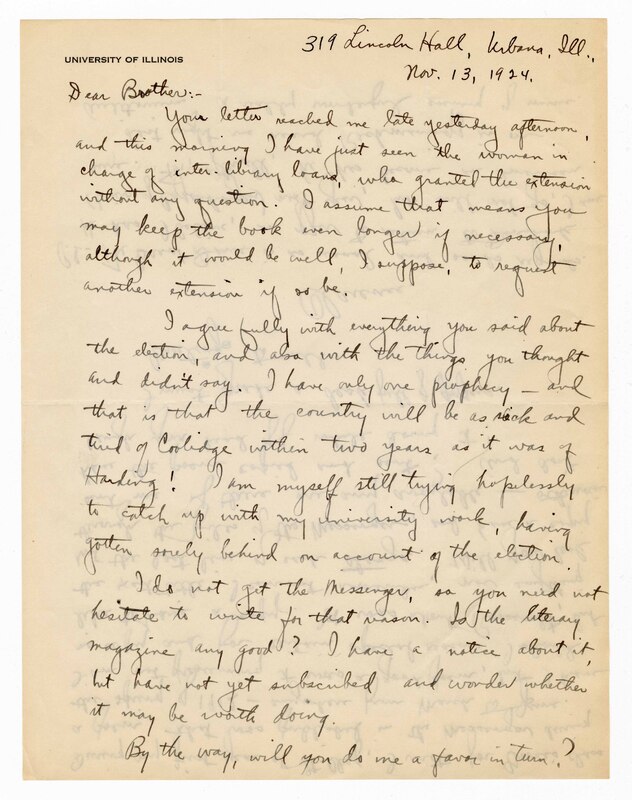
Letter from Clarence Berdahl to Ole Rølvaag, 1924 November 13
Clarence Berdahl was born on June 12, 1890, in Baltic, South Dakota. He started teaching at the University of Illinois in 1920, where he served as chairman of the Department of Political Science from 1935 to 1939. In 1961 he became chairman of the Division of Social Science and Professor Emeritus. Clarence Berdahl was a member of numerous professional organizations in the fields of political science and history, and wrote several books.