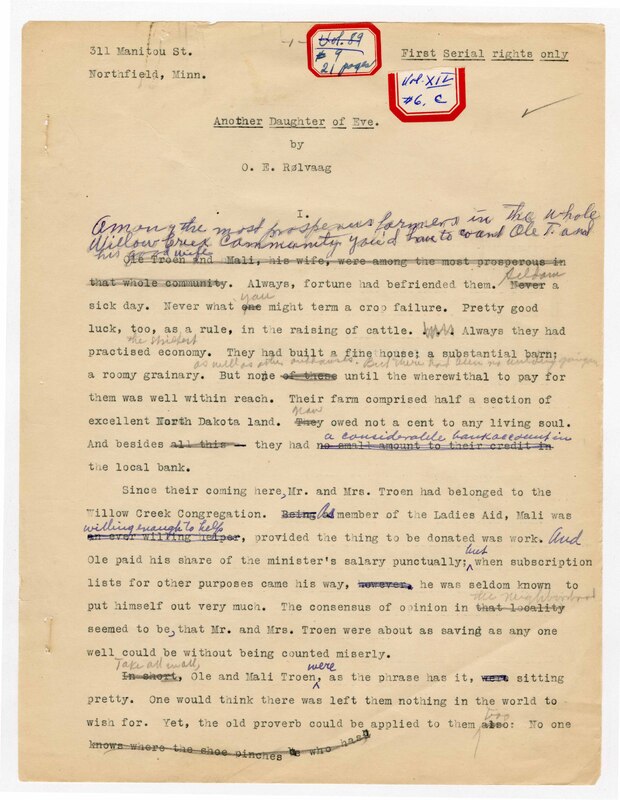
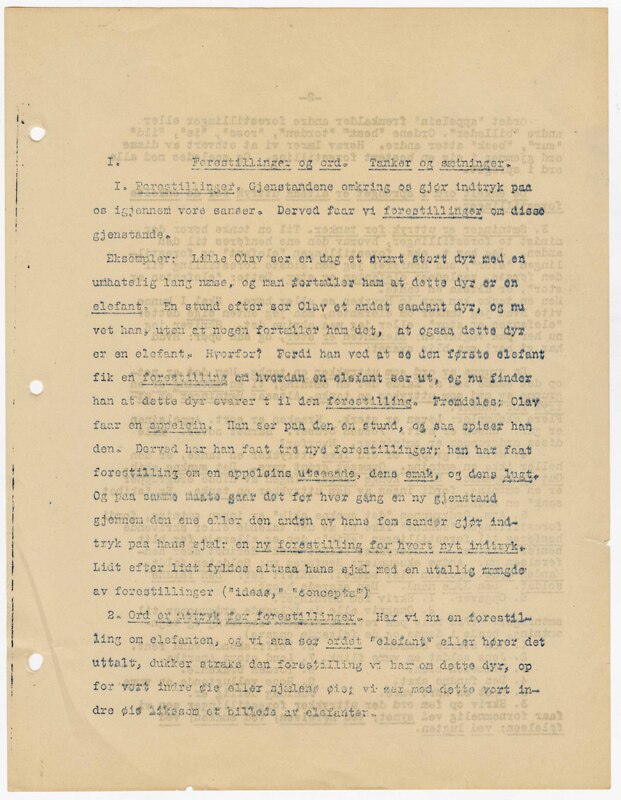
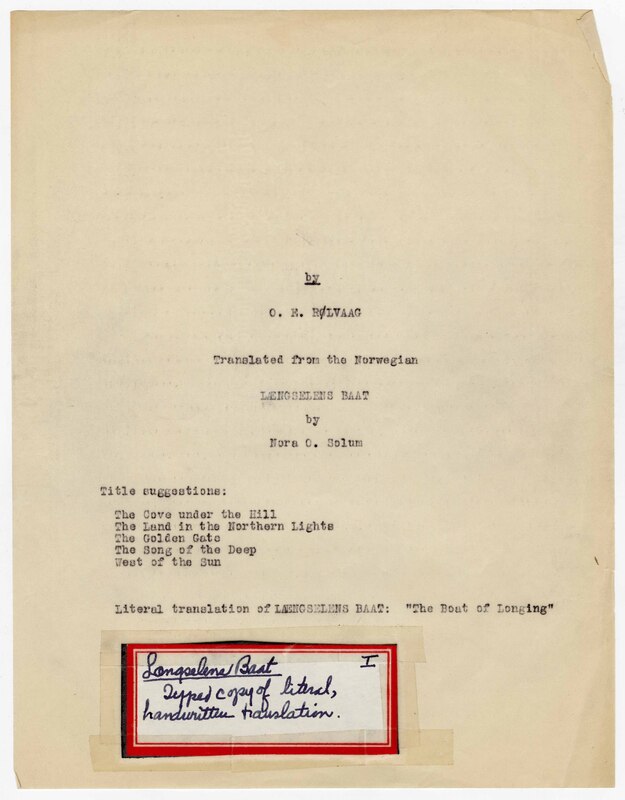
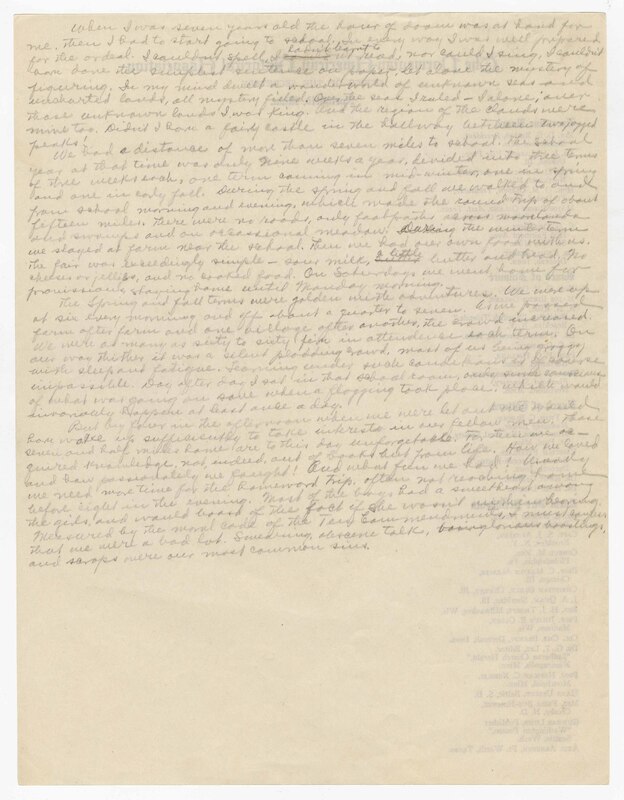
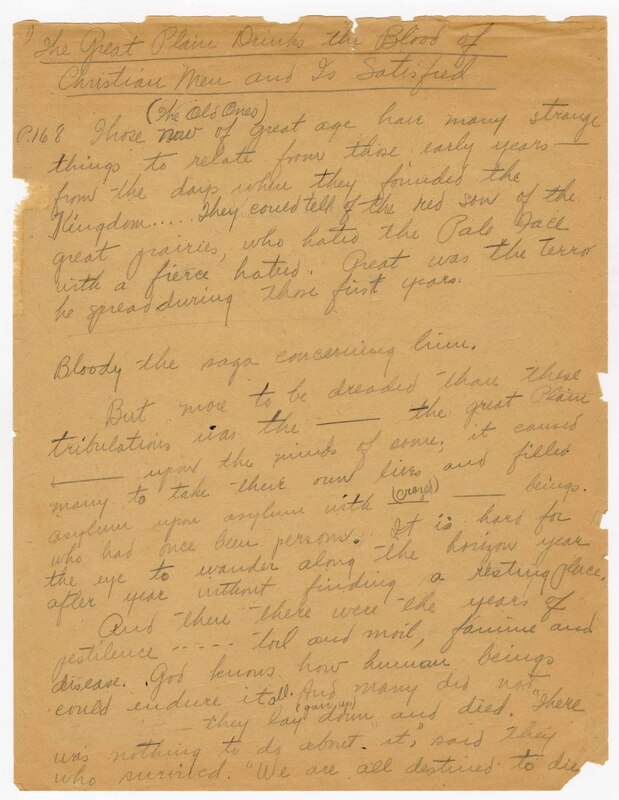
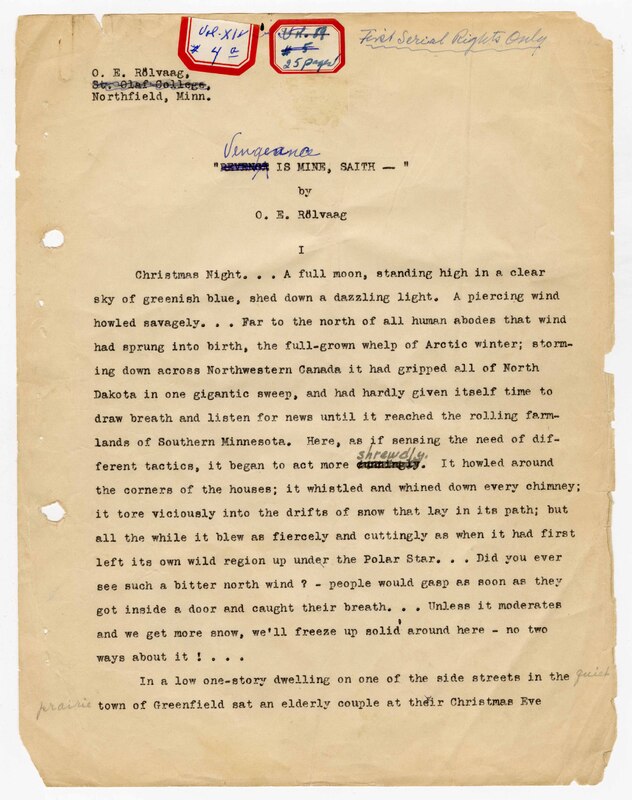
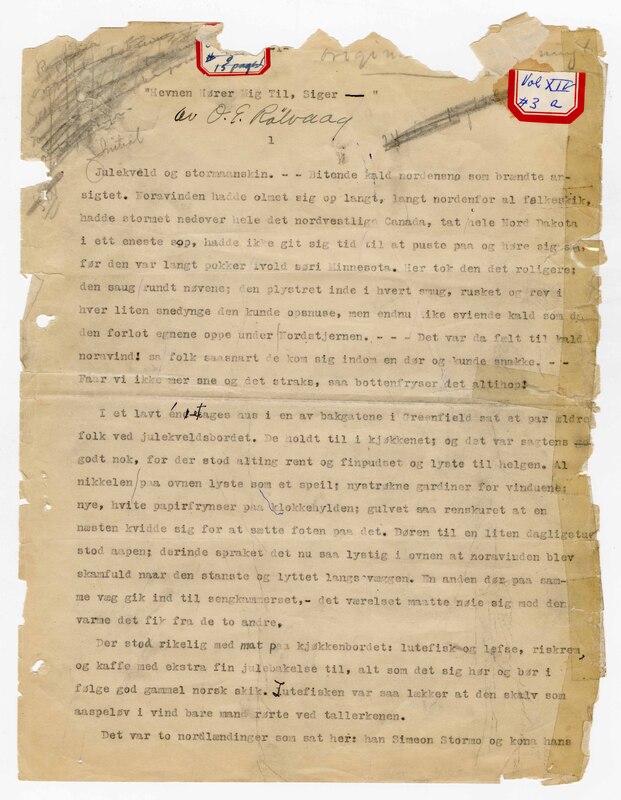
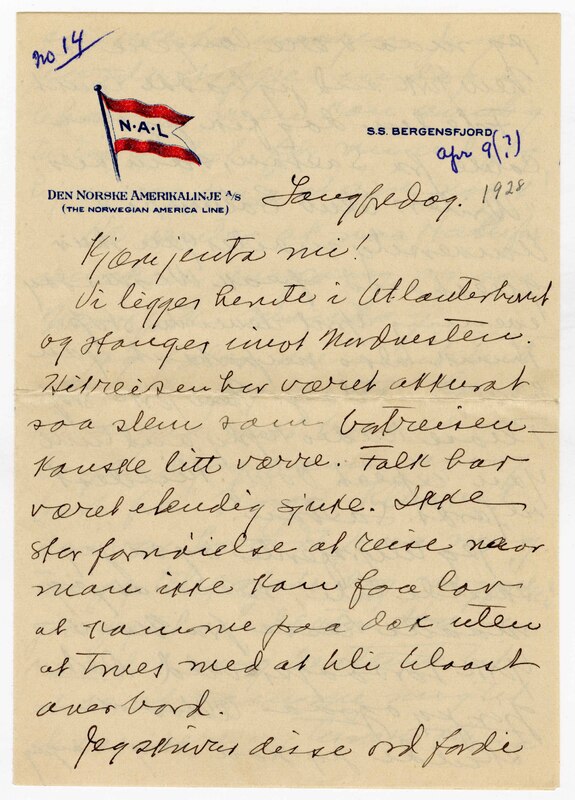
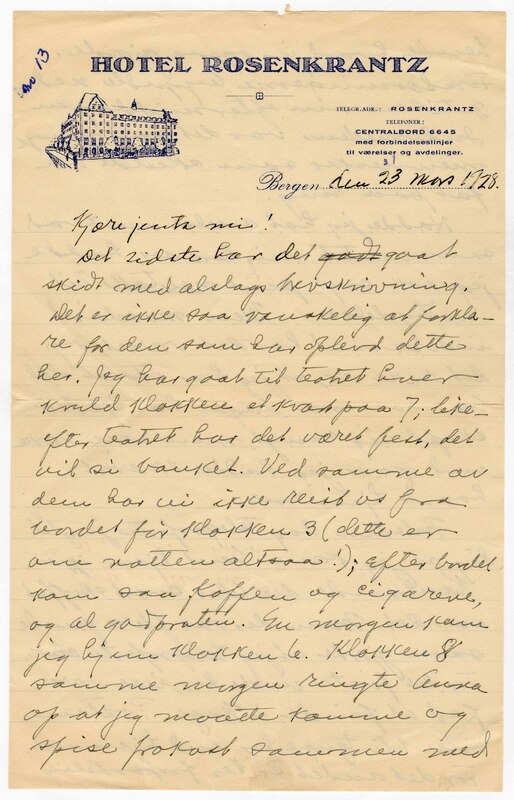
In Norwegian, Længselens Baat (1921). This novel is the only one of Rølvaag’s novels in which a substantial portion of the action takes place in Norway. The Boat of Longing tells the story of a young immigrant’s life in Norway and in Minneapolis. The sections that take place in Norway are mystical and romantic, the sections that take place in urban America are harshly realistic. The novel emphasizes the relationship between art and cultural inheritance and points out that art does not easily thrive among the rootless and insecure. It is an indictment of an America that rejects and ignores the value and the very soul of the immigrant. It’s not strange that the story in this novel seems unfinished, for Rølvaag himself labeled it “Book One.” Unfortunately, he was never able to continue the story with a Book Two.
I De Dage--: Fortælling om Norske Nykommere i Amerika, 1924 (In those days—A story about Norwegian immigrants in America) I De Dage--: Riket Grundlægges, 1925 (In those days—Founding the kingdom)
These two volumes were translated as Giants in The Earth: A Saga of the Prairie (1927). Giants in the Earth follows a Norwegian pioneer family's struggles with the land and the elements of the Dakota Territory as they try to make a new life in America. The book is based partly on Rølvaag's personal experiences as an immigrant, and on the experiences of his wife’s family who had been immigrant homesteaders. The novel depicts snow storms, locusts, poverty, hunger, loneliness, homesickness, the difficulty of fitting into a new culture, and the estrangement of immigrant children who grow up in a new land.
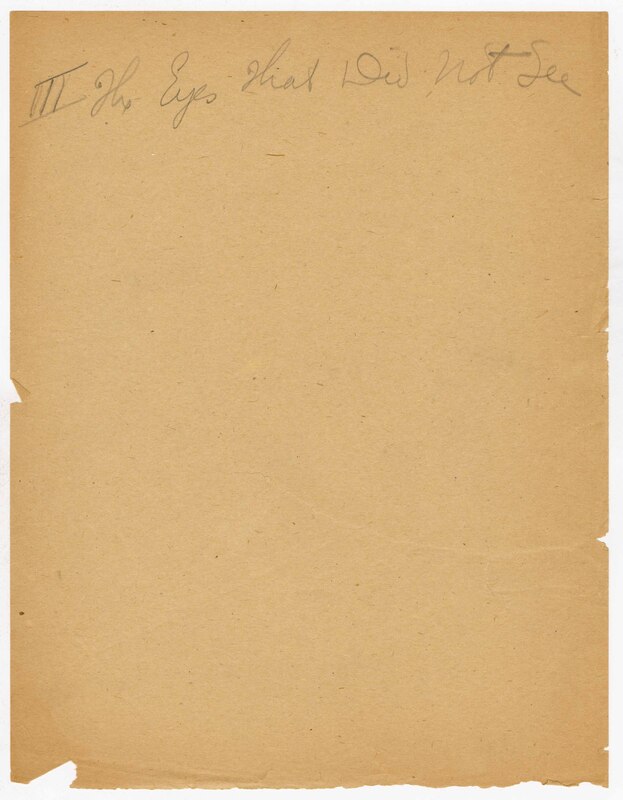
The Eyes That Did Not See is chapter three. Peder Victorious, the sequel to Rølvaag's massiveGiants in the Earth, continues the saga of the Norwegian settlers in the Dakotas. Here again, years later, are all the sturdy pioneers of the earlier novel, Rølvaag's "vikings of the prairie"—Per Hansa's Beret and their children, Syvert Tönseten and Kjersti, and Sörine. The great struggle against the land itself has been won. Now there is to be a second struggle, a struggle to adapt, to become Americans.
The development of the Spring Creek settlement in these years is manifested in the rebellious growing up of Peder Victorious. Peder is a beautiful and moving novel of youth and youth's self-discovery. It is the story, too, of Beret's pain and dismay at the Americanization of her children, what Rølvaag described as the true tragedy of the immigrants, who made their children part of a world to which they themselves could never belong.
Out of the inevitable conflict between the first-generation American and his still Norwegian mother, Rølvaag built a powerful novel of personal growth, guilt, and victory.
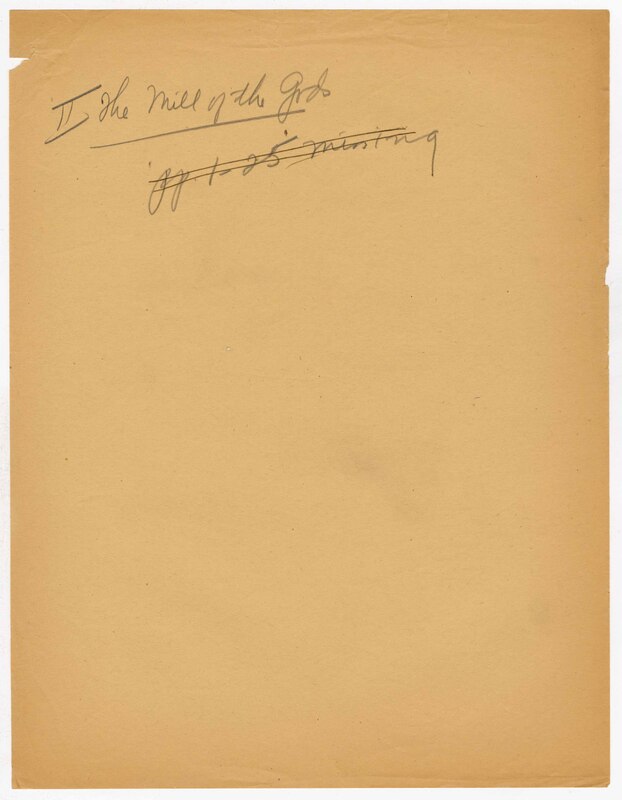
The Mill of the Gods is chapter two. Peder Victorious, the sequel to Rølvaag's massiveGiants in the Earth, continues the saga of the Norwegian settlers in the Dakotas. Here again, years later, are all the sturdy pioneers of the earlier novel, Rølvaag's "vikings of the prairie"—Per Hansa's Beret and their children, Syvert Tönseten and Kjersti, and Sörine. The great struggle against the land itself has been won. Now there is to be a second struggle, a struggle to adapt, to become Americans.
The development of the Spring Creek settlement in these years is manifested in the rebellious growing up of Peder Victorious. Peder is a beautiful and moving novel of youth and youth's self-discovery. It is the story, too, of Beret's pain and dismay at the Americanization of her children, what Rølvaag described as the true tragedy of the immigrants, who made their children part of a world to which they themselves could never belong.
Out of the inevitable conflict between the first-generation American and his still Norwegian mother, Rølvaag built a powerful novel of personal growth, guilt, and victory.
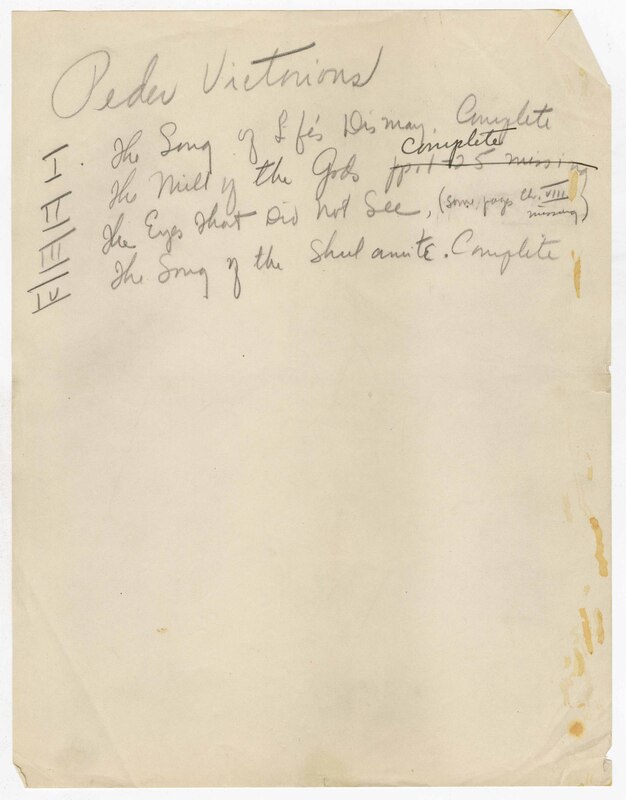
The Song of Life’s Dismay is chapter one. Peder Victorious, the sequel to Rølvaag's massiveGiants in the Earth, continues the saga of the Norwegian settlers in the Dakotas. Here again, years later, are all the sturdy pioneers of the earlier novel, Rølvaag's "vikings of the prairie"—Per Hansa's Beret and their children, Syvert Tönseten and Kjersti, and Sörine. The great struggle against the land itself has been won. Now there is to be a second struggle, a struggle to adapt, to become Americans.
The development of the Spring Creek settlement in these years is manifested in the rebellious growing up of Peder Victorious. Peder is a beautiful and moving novel of youth and youth's self-discovery. It is the story, too, of Beret's pain and dismay at the Americanization of her children, what Rølvaag described as the true tragedy of the immigrants, who made their children part of a world to which they themselves could never belong.
Out of the inevitable conflict between the first-generation American and his still Norwegian mother, Rølvaag built a powerful novel of personal growth, guilt, and victory.
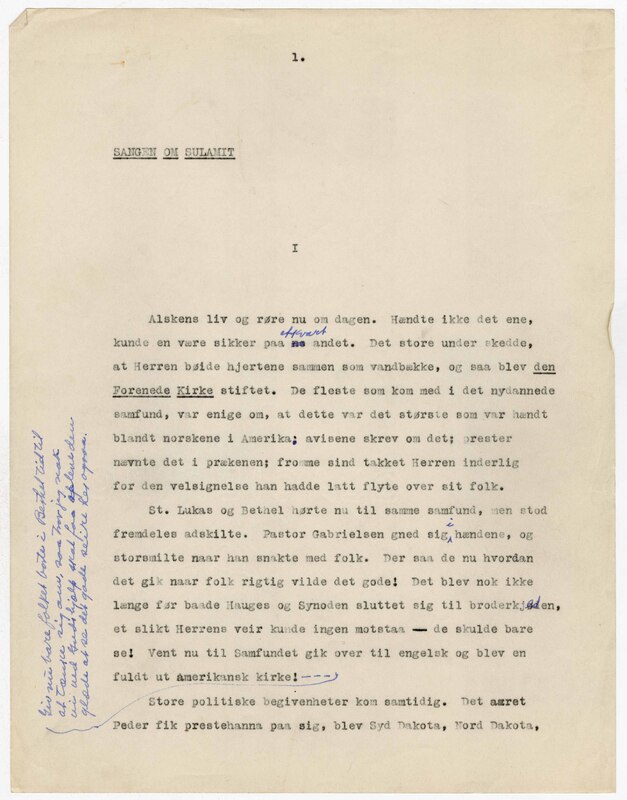
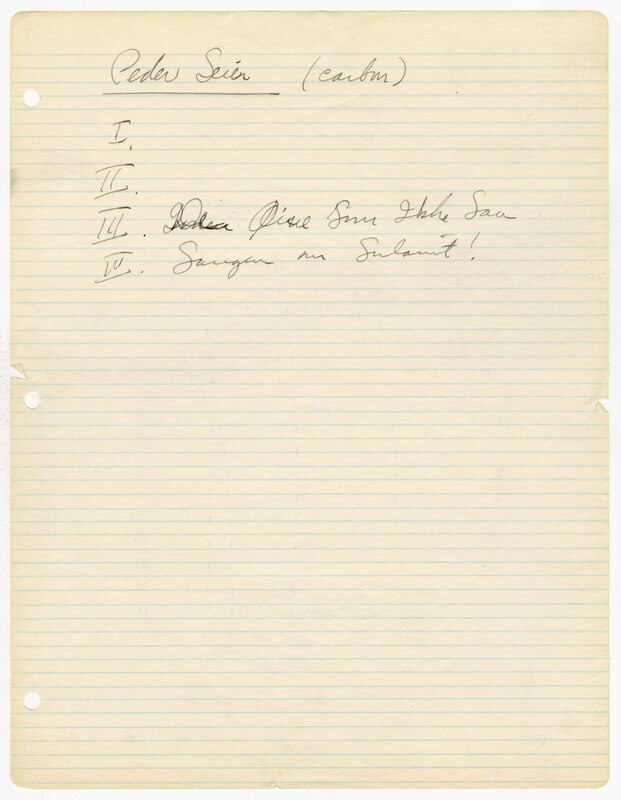
Translated as Peder Victorious: A Tale of the Pioneers Twenty Years Later (1929). Peder Victorious continues the story of the Holm family of Giants in the Earth, concentrating on the youngest son, Peder, the only child born in America, and his relationship with his mother Beret, with the Norwegian-American church, with the surrounding community, and with the American school system. In the course of this novel Peder comes of age and ends up married to Irish-American Susie. In spite of its title the main character in the novel is Beret, showing how she becomes the best farmer in the community in spite of her struggle to adapt to the new culture and language.
Translated as Peder Victorious: A Tale of the Pioneers Twenty Years Later (1929). Peder Victorious continues the story of the Holm family of Giants in the Earth, concentrating on the youngest son, Peder, the only child born in America, and his relationship with his mother Beret, with the Norwegian-American church, with the surrounding community, and with the American school system. In the course of this novel Peder comes of age and ends up married to Irish-American Susie. In spite of its title the main character in the novel is Beret, showing how she becomes the best farmer in the community in spite of her struggle to adapt to the new culture and language.
Susie Doheny, an Irish Catholic, and Peder Holm, a Norwegian Lutheran, fall in love and marry in South Dakota in the 1890s. Soon their marriage is tested by drought, depression, and family bickering. Susie believes they are being tested by their fathers' God. Peder blames Susie for the timidity of her beliefs; Susie fears Peder's pride and skepticism.
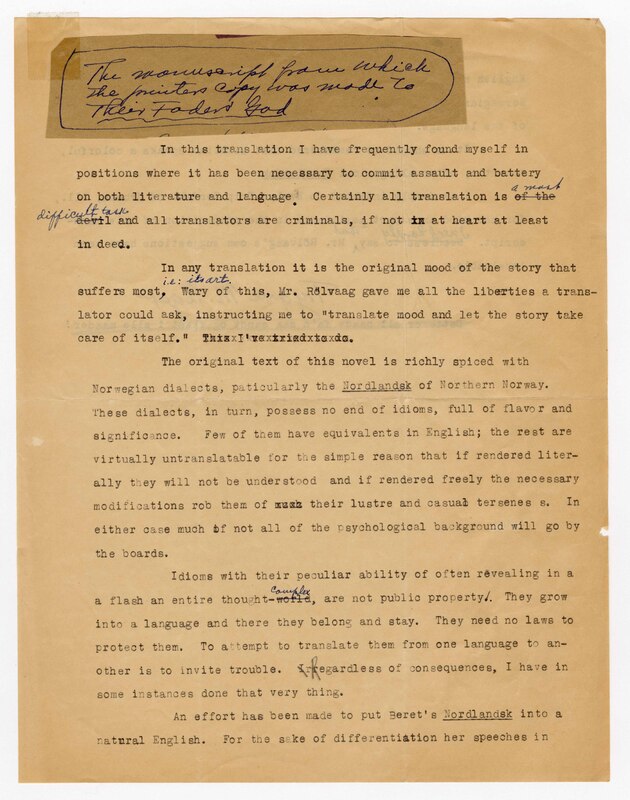
When political antagonism grows between the Norwegian and Irish immigrant communities, it threatens to split their marriage. Against a backdrop of hard times, crisscrossed by Populists, antimonopolists, and schemers, Rølvaag brings the struggle of immigrants into the twentieth century. In Giants in the Earth the Holm family strained to wrest a homestead from the land. In Peder Victorious the American-born children searched for a new national identity, often defying the traditions their parents fought to uphold. In Their Fathers' God, Rølvaag's most soul-searching novel, the first-generation Americans enter a world of ruthless competition in the midst of scarcity.
Funding to digitize the O.E. Rølvaag Papers was provided to the Norwegian American Historical Association through the Minnesota Arts and Cultural Heritage Fund, a component of the Minnesota Clean Water, Land and Legacy constitutional amendment, ratified by Minnesota voters in 2008.
Funding to digitize the O.E. Rølvaag Papers was provided to the Norwegian American Historical Association through the Minnesota Arts and Cultural Heritage Fund, a component of the Minnesota Clean Water, Land and Legacy constitutional amendment, ratified by Minnesota voters in 2008.
Funding to digitize the O.E. Rølvaag Papers was provided to the Norwegian American Historical Association through the Minnesota Arts and Cultural Heritage Fund, a component of the Minnesota Clean Water, Land and Legacy constitutional amendment, ratified by Minnesota voters in 2008.
Funding to digitize the O.E. Rølvaag Papers was provided to the Norwegian American Historical Association through the Minnesota Arts and Cultural Heritage Fund, a component of the Minnesota Clean Water, Land and Legacy constitutional amendment, ratified by Minnesota voters in 2008.
Funding to digitize the O.E. Rølvaag Papers was provided to the Norwegian American Historical Association through the Minnesota Arts and Cultural Heritage Fund, a component of the Minnesota Clean Water, Land and Legacy constitutional amendment, ratified by Minnesota voters in 2008.
Funding to digitize the O.E. Rølvaag Papers was provided to the Norwegian American Historical Association through the Minnesota Arts and Cultural Heritage Fund, a component of the Minnesota Clean Water, Land and Legacy constitutional amendment, ratified by Minnesota voters in 2008.